

Few dining experiences are quite like Korean BBQ. The aroma of marinated beef, the colorful selection of side dishes, fresh lettuce, and savory fermented sauces make the meal as much about combining flavors as it is about cooking.
Inspired by a memorable Korean BBQ experience in Las Vegas, we wanted to develop a bulgogi recipe that would allow us to recreate those flavors at home. But instead of using a traditional tabletop grill, we tried something different: cooking beef bulgogi in the HeatMate Graphite Toaster Oven.
The result surprised us. In just five minutes at 400°F, the toaster oven delivered tender, flavorful beef with beautifully browned edges.
Paired with freshly prepared spicy cucumber salad, pickled Korean radish, napa cabbage kimchi, and butter lettuce, this Korean beef recipe offers a delicious way to enjoy Korean BBQ at home.
What Is Bulgogi?
Bulgogi (불고기), often translated as “fire meat,” is a popular Korean beef dish made with thin slices of beef seasoned in a sweet-and-savory marinade. Its characteristic flavor comes from soy sauce, garlic, sesame oil, sugar, and Korean pear.
Although closely associated with Korean BBQ, bulgogi can also be prepared in a skillet or adapted to other cooking methods.
The appeal of Korean bulgogi extends beyond the meat itself. People often enjoy it with fresh lettuce, small side dishes known as banchan, and ssamjang, a seasoned soybean paste traditionally served with Korean wraps.
Our recipe preserves these characteristic flavors while adapting the cooking method to a modern countertop oven.
Choosing the Right Meat for Bulgogi
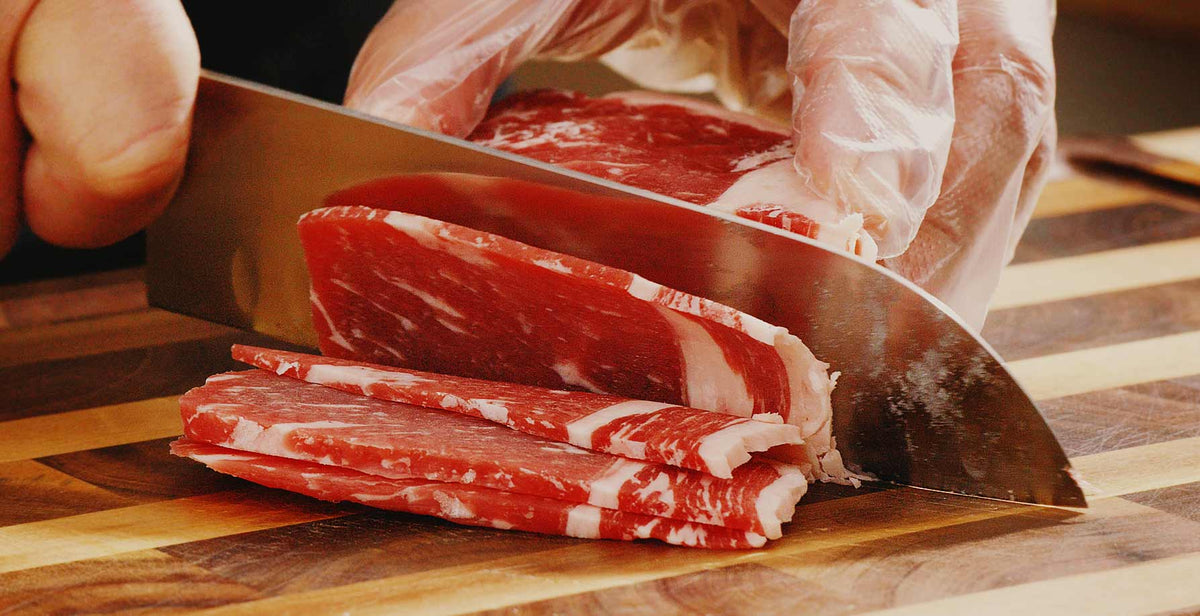
For this recipe, we used a thick-cut boneless ribeye steak from Costco. Ribeye offers an appealing combination of tenderness, rich flavor, and natural marbling, making it an excellent choice for bulgogi meat.
Top sirloin is another option for those looking for a more economical alternative.
Using thinly sliced ribeye for bulgogi lets you coat each piece evenly and cook it quickly.
We tested ribeye, and its tenderness and flavor made it particularly well suited to a toaster oven.
The Secret Behind Korean Bulgogi Marinade
One of the most interesting ingredients in a traditional Korean beef marinade is Korean pear (Asian pear).
Unlike the softer European pears commonly found in American supermarkets, Korean pears have crisp, juicy flesh and a delicate sweetness. Their natural sugars complement the savory qualities of soy sauce, and the fruit can also help tenderize the meat.
For our beef bulgogi marinade, we used finely chopped Korean pear, including its juice, along with fresh garlic, ginger, onion, and scallions.
Toasted sesame oil adds a distinctive nutty fragrance, while lightly crushed toasted sesame seeds provide another layer of flavor. A small amount of sugar rounds out the sweet-and-savory combination.
The short, five-minute marinating period produced a delicious result. While longer marination is common in traditional recipes, this preparation worked particularly well with our thinly sliced ribeye.
Five Minutes at 400°F: Cooking Bulgogi in a Toaster Oven
When developing this beef bulgogi recipe, we initially considered using the HeatMate toaster oven at a much higher temperature. After all, Korean BBQ is commonly associated with intense heat.
However, our cooking test demonstrated that 400°F was sufficient.
We arranged half a pound of marinated ribeye in the HeatMate flat pan, leaving the meat uncovered throughout the cooking cycle. Five minutes later, the beef had developed an appealing color and tender texture, without turning the individual slices.
The relatively small batch is important. Thinly sliced beef releases moisture as it cooks, and overcrowding the pan can interfere with even cooking and browning.
By limiting each batch to about eight to ten ounces, we maintained a suitable cooking arrangement for the HeatMate flat pan.
The result is especially interesting because our marinade contains sugar and Korean pear. Instead of relying on the oven’s maximum temperature, we achieved the desired result at a moderate setting.
This five-minute cooking method offers a convenient alternative to traditional grilling.
Cooking time varies depending on meat thickness, starting temperature, and pan loading.
For those who prefer more pronounced browning and slightly crispy edges, a brief finishing stage at a higher temperature (add 2-3 min. at 450°F) will produce additional caramelization. The HeatMate’s adjustable temperature settings allow you to customize the finished texture to your preference.
Make the Spicy Korean Cucumber Salad While the Beef Cooks
Rather than waiting for the toaster oven to finish cooking, we used those five minutes to prepare another Korean favorite: spicy cucumber salad, or Oi Muchim (오이무침).
Inspired by Maangchi’s spicy cucumber side dish, this refreshing salad combines fresh cucumber, onion, scallions, garlic, soy sauce, toasted sesame oil, and Korean red pepper flakes (gochugaru).
Unlike fermented kimchi or traditional pickles, Oi Muchim is freshly seasoned. Preparing it just before serving helps preserve its crisp texture and vibrant appearance.
Its spicy, refreshing flavor provides a wonderful contrast to the rich marinated beef.
Beyond the Beef: Recreating Korean BBQ at Home
The distinctive taste of Korean BBQ comes from combining contrasting flavors in each bite.
To complete our Korean beef meal, we selected three accompaniments: freshly prepared Oi Muchim, quick-pickled Korean radish, and napa cabbage kimchi.
The pickled radish introduces a sweet-and-sour crunch, while the kimchi adds the characteristic complexity of fermented vegetables.
We also used ready-made ssamjang, a seasoned soybean paste commonly prepared with fermented soybean paste, Korean chili paste, and additional seasonings.
Fresh butter lettuce provides a tender foundation for the Korean beef. Its naturally rounded leaves create attractive open lettuce cups inspired by traditional Korean wraps, known as ssam.
Korean Bulgogi Recipe with Spicy Cucumber Salad
Beef per cooking batch: ½ lb (227 g)
Marinating time: 5 minutes
Tested cooking time: 5 minutes
Cooking temperature: 400°F
Ingredients

Beef and marinade
- ½ lb (227 g) thinly sliced boneless ribeye
- 1¼ Tbsp soy sauce
- 1½ tsp toasted sesame oil
- 1½ tsp brown sugar
- 2 Tbsp grated Korean pear, including its juice
- 2 Tbsp grated yellow onion
- 1–2 garlic cloves, minced
- ½ tsp grated fresh ginger
- 1 small scallion, chopped
- ⅛ tsp ground black pepper
- ½ tsp lightly crushed toasted sesame seeds
Spicy Korean cucumber salad (Oi Muchim)
- 1 English cucumber or 2–3 small cucumbers, thinly sliced
- ¼ cup thinly sliced yellow onion
- 1 scallion, chopped
- 2 garlic cloves, minced
- 2 Tbsp soy sauce
- 2 tsp Korean red pepper flakes (gochugaru)
- 2 tsp toasted sesame oil
- 2 tsp toasted sesame seeds
- 1 tsp sugar, optional
For serving
- Large butter lettuce leaves
- Prepared ssamjang
- Pickled Korean radish
- Napa cabbage kimchi
How to Make Bulgogi in a Toaster Oven
1. Prepare the ribeye

Start with a thick-cut boneless ribeye steak. For this recipe, slice the beef thinly and chill it for 20 minutes. Alternatively, purchase thinly sliced ribeye from your local Asian grocery store.
2. Prepare the marinade

Combine the soy sauce, toasted sesame oil, brown sugar, grated Korean pear, onion, garlic, ginger, scallion, black pepper, and crushed sesame seeds.
3. Marinate the beef

Add the prepared ribeye slices and mix until evenly coated. Refrigerate for five minutes.
4. Cook the bulgogi

Arrange the marinated beef in a single layer in the HeatMate flat pan. Cook at 400°F for 5 minutes uncovered; no need to turn. To get more browning and slightly crispy edges, increase the temperature to 450°F and cook for an additional 2 minutes. Confirm safe doneness before serving.
5. Prepare the cucumber salad

You have at least 5 minutes while the beef cooks. Combine the prepared cucumber, onion, scallion, and garlic with the soy sauce, gochugaru, sesame oil, sesame seeds, and optional sugar. Toss gently until evenly seasoned.
6. Prepare the serving plate

Place two large butter lettuce leaves on a plate. Drop one teaspoon of ssamjang in the center of each leaf. Add pickled Korean radish and two to three tablespoons of cucumber salad alongside.
7. Assemble the lettuce cups

Place the cooked bulgogi in each lettuce cup and finish with another teaspoon of ssamjang.
8. Serve

Present the finished lettuce cups with napa cabbage kimchi in a separate bowl.
Chef’s Notes
- Ribeye provides excellent flavor and tenderness, although top sirloin is another suitable option.
- Korean pear contributes natural sweetness to the marinade.
- Cook in half-pound batches rather than overcrowding the HeatMate flat pan.
- The cucumber salad is best when prepared right before serving to preserve its freshness.
- Ready-made ssamjang, kimchi, and pickled radish simplify preparation while complementing the traditional Korean flavors.
- Prefer crispier edges? A short, higher-temperature finish may enhance browning. Because the marinade contains sugar and Korean pear, monitor the beef closely to avoid burning or drying out the thin slices.
FAQ
What is beef bulgogi?
Bulgogi is a Korean dish with thinly sliced, marinated meat. It is usually made with beef, traditionally grilled and served with rice, lettuce, and Korean side dishes.
What is the best beef for bulgogi?
Ribeye is an excellent choice because it's tender and well-marbled. Top sirloin and beef tenderloin are also commonly used.
What ingredients go into a bulgogi sauce recipe?
A traditional bulgogi sauce combines soy sauce, sugar, garlic, sesame oil, and other aromatics. Korean pear and onion are often included. In this recipe, the sauce marinates the meat, while ssamjang is served separately.
Can you cook bulgogi without a grill?
Yes. We successfully prepared our Korean beef bulgogi in the HeatMate Graphite Toaster Oven at 400°F, with a tested cooking time of five minutes for a half-pound batch.
How do you get crispy edges on beef bulgogi?
The secret is a brief, higher-temperature finish. In our beef bulgogi recipe, we cooked the meat at 400°F for five minutes to cook it through. Then we increased the temperature to 450°F and cooked it for another two minutes. This enhances surface caramelization and creates more pronounced browned edges.
Do you need to marinate bulgogi overnight?
Not necessarily. Longer marination is common, but our thinly sliced ribeye turned out delicious after just five minutes in the marinade.
What do you serve with bulgogi?
Popular accompaniments include steamed rice, lettuce, kimchi, pickled Korean radish, spicy cucumber salad, and ssamjang.
Bringing Korean BBQ Home
Recreating a restaurant-inspired meal doesn't require specialized grilling equipment or lengthy prep.
Our bulgogi recipe demonstrates how traditional Korean flavors, thoughtfully chosen accompaniments, and modern Japanese graphite heating technology can come together to create something delicious.
Five minutes of cooking. A colorful selection of Korean side dishes. A restaurant-inspired meal prepared in your own kitchen.
No grill required.
Discover the HeatMate Graphite Toaster Ovens and explore the possibilities of rapid, responsive heating. For other puff pastry recipes, check our toaster oven recipes section.
Collaboration Note
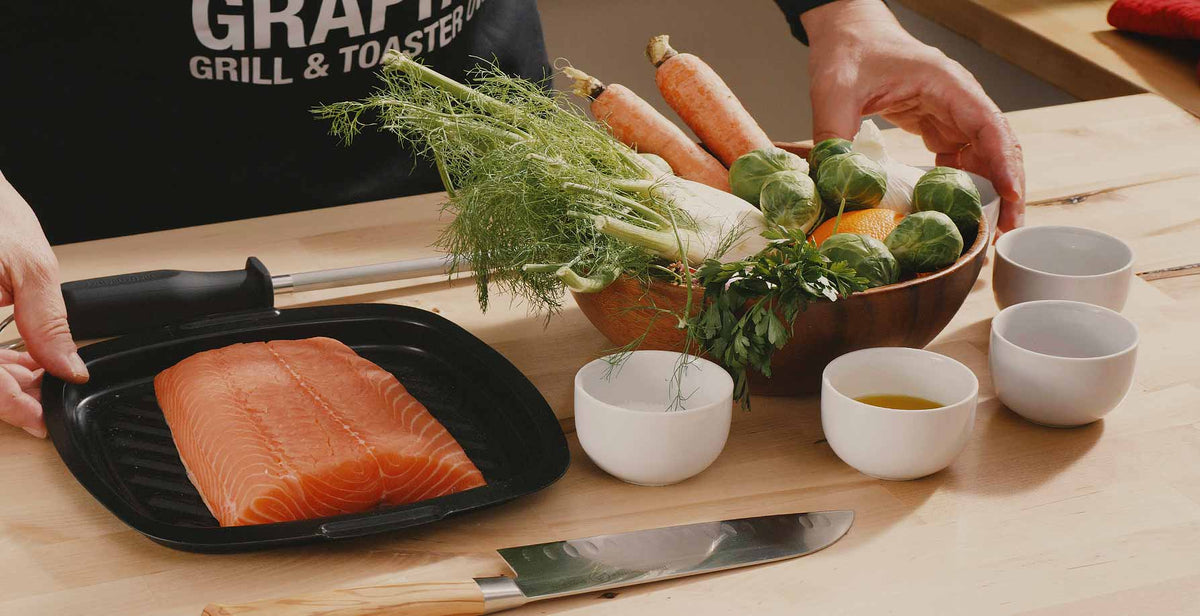
This recipe was prepared and filmed with a Messermeister Oliva Elite Santoku knife, generously provided by Messermeister for this collaboration.
Its versatile Santoku profile worked especially well throughout the preparation—from portioning the salmon to slicing fennel, bias-cutting carrots, halving Brussels sprouts, and preparing the fresh herbs.
Share:
Bakery-Style Peach Turnovers Without the Bakery Price