


A closer look at how Pasadena's beloved Japanese bakery uses Hokkaido flour, traditional baking techniques, and the HeatMate Japanese toaster oven to serve authentic shio pan with speed and consistency.
You Can Smell WA-IRO Before You See It

Walk along East Colorado Boulevard in Pasadena, and before you even spot the storefront, you’ll likely notice the aroma first. Warm butter, freshly baked bread, and caramelized crust drift onto the sidewalk, drawing people toward WA-IRO Japanese Bakery & Cafe long before they reach the entrance.
By the time the doors open, a line has often already formed.
For many customers, the wait has become part of the experience. Some are residents who discovered the bakery through friends. Others make the drive from across Los Angeles. A large portion of WA-IRO’s loyal clientele comes from the Japanese community, where expectations for bread are exceptionally high, and authenticity is immediately recognized.
That’s not a coincidence. So, what then? WA-IRO has earned its reputation through meticulous attention to detail—carefully selected ingredients, traditional baking techniques, and an unwavering commitment to Japanese consistency. Every shio pan and every pastry reflects the same: exceptional bread begins long before it reaches the oven.
More Than Salted Bread

Although often translated simply as “salted bread,” shio pan has become one of Japan’s most recognizable bakery staples over the past decade. At first glance, it appears remarkably simple—a modest bread roll finished with butter and sea salt. Yet behind that simplicity lies an extraordinary amount of craftsmanship.
At WA-IRO, the signature shio pan begins with Hokkaido flour, one of Japan’s most respected bread flours. Bakers prize Hokkaido flour for its fine milling, balanced protein content, and ability to produce dough with exceptional elasticity and a remarkably soft crumb. Those qualities allow the bread to remain light and airy while developing enough structure to create the delicate contrast between a crisp exterior and a pillowy interior.
As the dough bakes, butter tucked inside the roll slowly melts, creating light internal layers while gently crisping the bottom of the bread. A finishing touch of sea salt doesn’t simply make the bread saltier—it enhances the butter’s natural sweetness and rounds out the flavor, creating the balanced profile that has made shio pan a favorite in bakeries throughout Japan.
It’s a deceptively simple product that leaves very little room for error.
Every stage matters—from flour selection and fermentation to baking, reheating, and the moment it’s served.
Authenticity Means Consistency

For many of WA-IRO’s Japanese customers, authenticity isn’t measured by décor or branding. It’s measured by whether the bread tastes and feels the way it would in Japan.
That means the texture has to be right.
The crust should remain delicately crisp—not hard or dry. The crumb should stay soft and slightly elastic. Most importantly, the bakery should serve the bread at the temperature where butter releases its aroma, and the crust regains its signature bite.
Those details may seem subtle, but together they define the experience.
And during a busy morning rush, consistently delivering that experience can become an operational challenge.
When Success Creates a New Challenge
As WA-IRO's popularity grew, so did the demand for warm pastries and freshly heated shio pan.
A microwave was never a realistic option. While it can warm bread quickly, it also softens the crust and alters the texture that makes freshly baked shio pan so distinctive. The delicate crisp exterior becomes chewy, and the buttery layers lose much of their character. For a bakery built on quality and authenticity, that compromise wasn't acceptable.
Instead, every request required a trip to the kitchen. Staff carried the bread to a conventional oven, waited for it to warm through, then brought it back to the front counter before completing the order.
The process preserved the bread's texture, but during busy periods it interrupted the natural rhythm of service.
Servers left the register. Customers waited. Lines grew longer. Delays!!
For a bakery where freshness and hospitality are equally important, even small delays become noticeable.
A Japanese Toaster Oven That Fits the Way WA-IRO Works
The solution wasn’t changing the recipes.
It wasn’t changing the ingredients.
It was changing the final step.

After discovering the HeatMate toaster oven, owner Takeo Shibatani immediately recognized what made it different.
Using this Japanese toaster oven and its rapid heating performance meant bread could be warmed directly at the front counter instead of sending every order back to the kitchen. While a customer’s payment is processed, the shio pan is already heating. By the time the transaction is complete, the bread is ready to serve—warm, crisp, aromatic, and remarkably close to the way it tastes moments after baking.
That seemingly simple adjustment transformed the final step in the workflow.
Instead of walking back and forth between the counter and the kitchen, staff remain focused on customers. Service becomes smoother, the line moves faster, and every warmed pastry reaches the customer at precisely the right moment.
Why the HeatMate Japanese Toaster Oven Makes a Difference
For a bakery built around texture, reheating isn’t merely about making bread warm.
It’s about restoring the qualities that define the product.

The HeatMate Japanese toaster oven’s near-instant heating response allows WA-IRO to refresh shio pan without the lengthy preheating associated with conventional ovens. The crust regains its delicate crispness, the interior stays soft and fragrant, and the butter produces the aroma customers expect.
Speed alone wouldn’t be enough.
The goal is preserving quality while improving efficiency.
That’s exactly what makes the HeatMate such a natural fit for WA-IRO.
Tradition Meets Modern Service
WA-IRO Japanese Bakery & Cafe has built its reputation through craftsmanship rooted in Japanese baking traditions—from premium Hokkaido flour and carefully developed recipes to meticulous attention to texture and consistency.
The HeatMate Japanese toaster oven doesn’t replace the WA-IRO craftsmanship. It complements it.
By bringing fast, precise warming directly to the service counter, it helps ensure every customer experiences WA-IRO’s signature shio pan exactly as Takeo Shibatani intended: crisp on the outside, soft inside, fragrant with butter, and served without unnecessary delay.
Sometimes, improving the customer experience isn’t about changing what you make.
It’s about perfecting the final few seconds before it’s placed into someone’s hands.

Share:
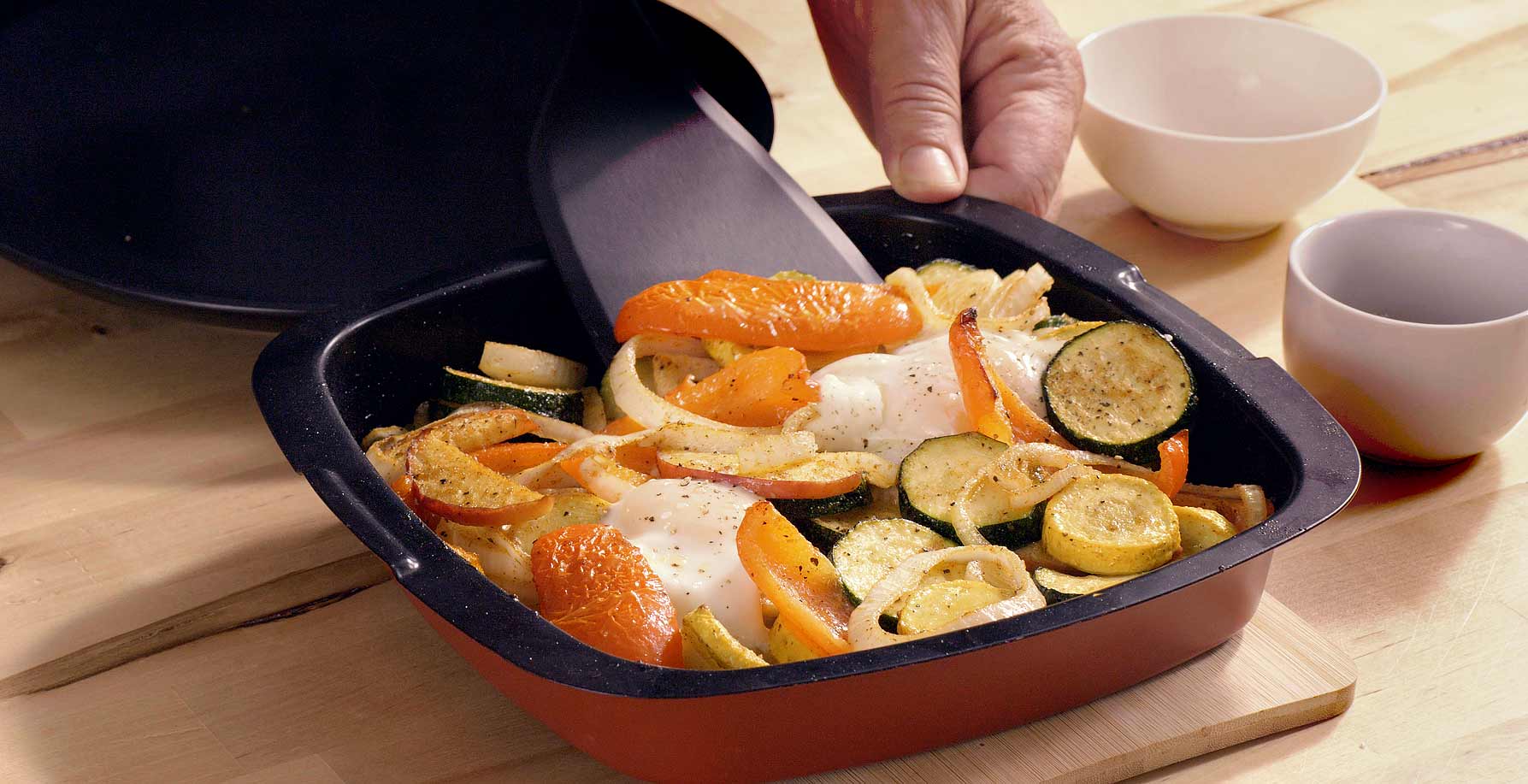
Healthy Breakfast with Roasted Vegetables and Eggs
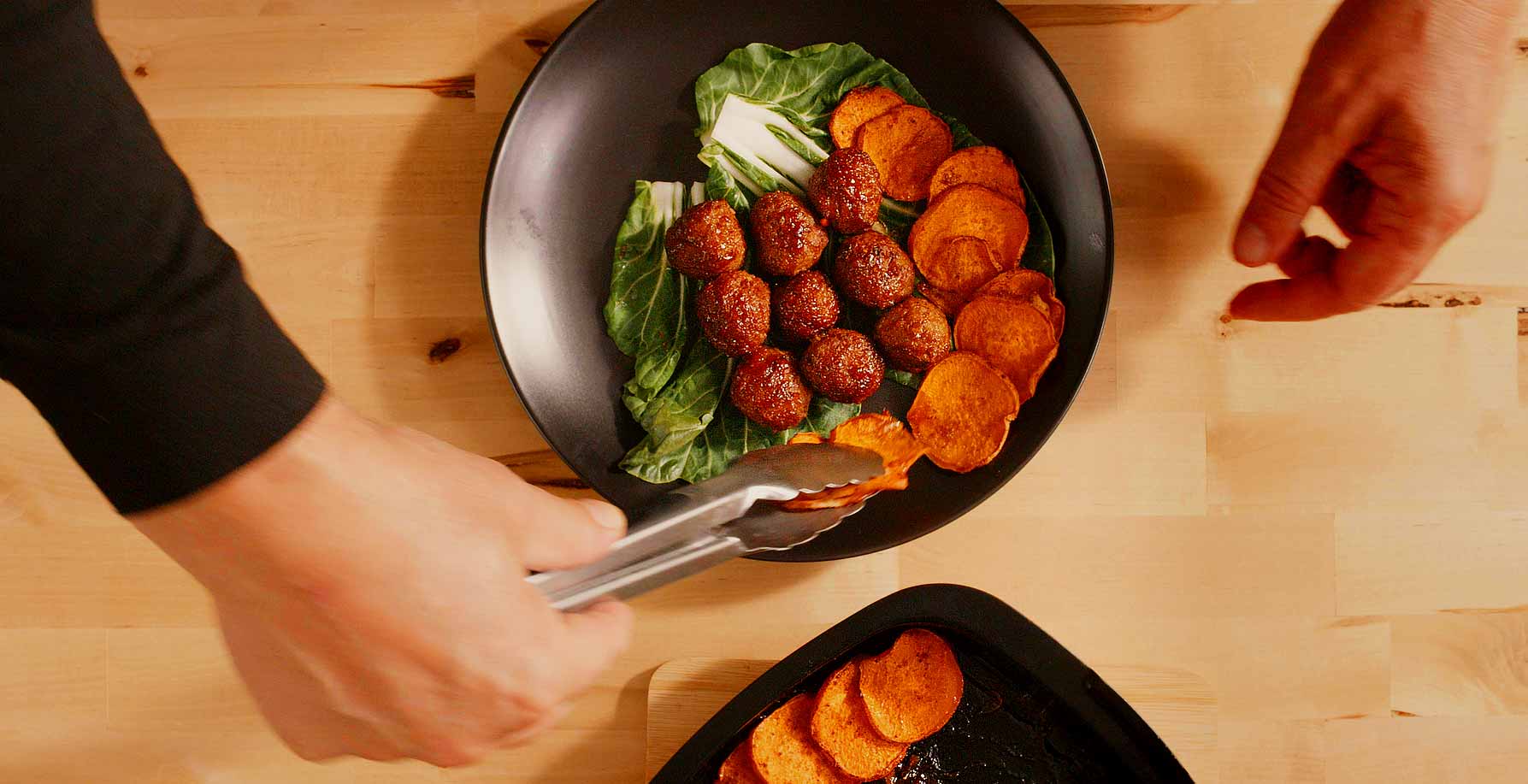
Easy Meatball Recipe - BBQ-Glazed Meatballs and Crispy Sweet Potato